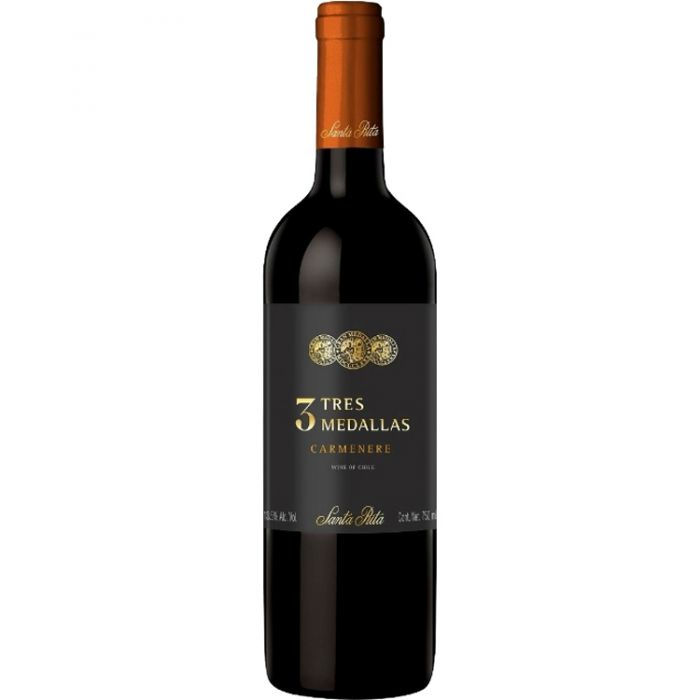
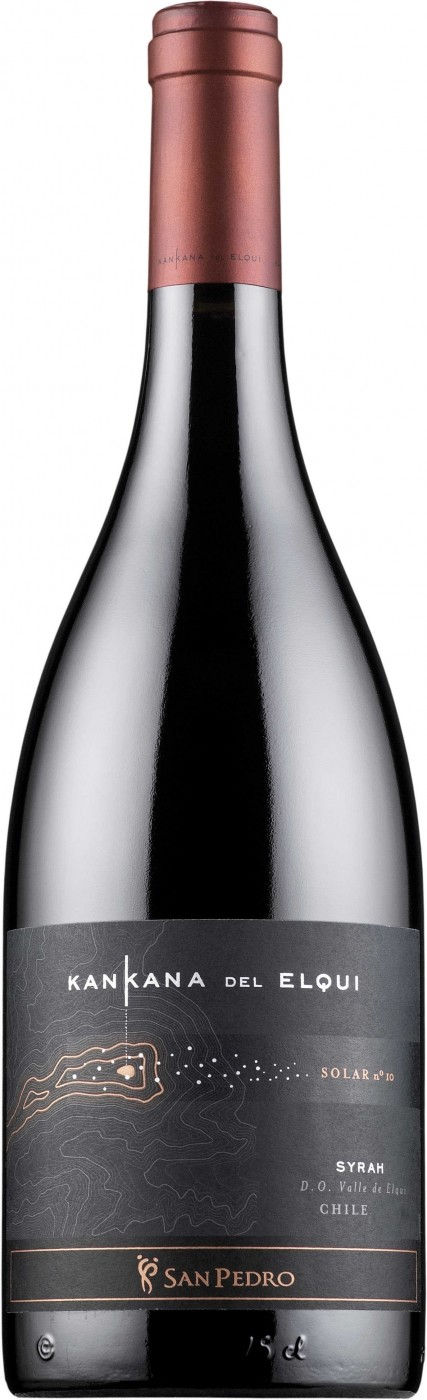
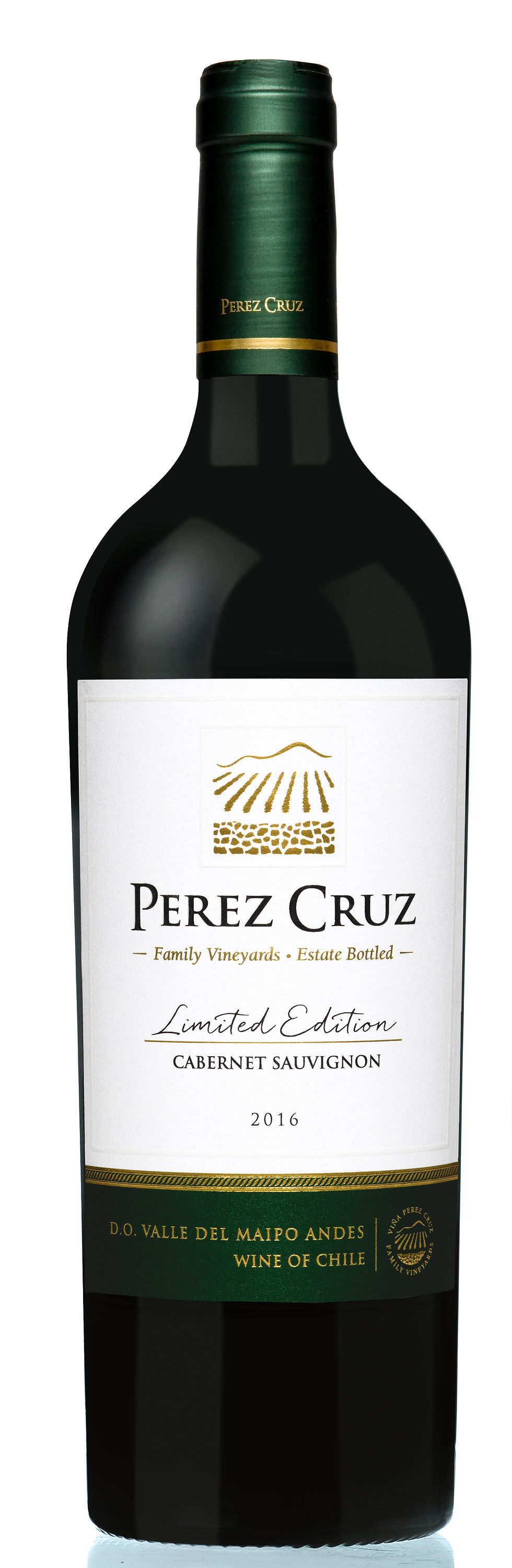
Chiles Mediterranean climate features warm, dry summers and cold, rainy winters. The proximity of the Andes Mountains plays an important role, and as the mountains rise in altitude, the temperatures drop. The Pacific Ocean is also important to vineyard development.
Chiles coasts have two great characteristics, their westward orientation and the cold Humboldt Current, which work together to create continental winds that have a cooling effect in the countrys central zone and result in wines with higher acidity and elegant aromas. The interaction between the effects of the Andes and those of the Pacific Ocean creates a broad daily temperature differential that helps the grapes develop fresh flavors and tremendous typicity.
The healthy, well-drained soils have a variety of origins (alluvial, colluvial, fluvial, etc.) and textures (marl, clay, sand, silt). Despite the relatively dry weather conditions, abundant water for irrigation flows from the eternal ice of the Andes Mountains.
.png)